English
  español
  français
  português
  русский
  العربية
  简体中文
简体中文 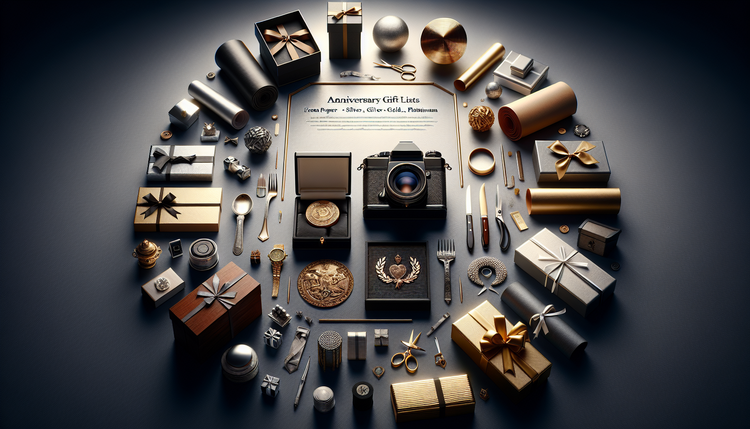
Anniversary gift lists map the journey of a marriage through symbolic materials—from delicate paper to enduring platinum. These traditions developed across countries over centuries, evolving into today’s mix of traditional and modern anniversary gifts. Below, we trace the global story, explain why certain materials mark specific years, and show how to use calendars and countdowns to plan memorable milestones without last-minute stress.
What is an anniversary gift list?
An anniversary gift list is a year-by-year guide linking each wedding anniversary to a material with symbolic meaning (for example, paper for the 1st, wood for the 5th, silver for the 25th). There are two main types:
- Traditional lists: Older, symbolism-heavy lists that assign materials to key years.
- Modern lists: Newer lists that update or expand the materials (often annually) to reflect contemporary tastes.
Couples use these lists as inspiration, not rules. The best gift is meaningful, whether you follow a specific country’s list, blend traditions, or invent your own theme.
How anniversary gift lists took shape around the world
Anniversary traditions are both local and shared. While some milestones (silver for 25, gold for 50) are nearly universal, many details differ by language, culture, and commercial influence.
Europe: From guild crafts to precious metals
United Kingdom: British etiquette books and newspapers helped standardize milestones like silver (25), ruby (40), gold (50), diamond (60), and platinum (70). The UK’s emphasis on precious metals mirrors historic guild craftsmanship and royal celebrations; interest in platinum anniversaries grew more visible alongside national jubilees, reinforcing the idea of endurance and rarity.
Germany: Regional traditions celebrate the Holzhochzeit (wood anniversary, commonly 5th or 10th depending on locale), Silberhochzeit (25th), Goldene Hochzeit (50th), and Diamantene Hochzeit (60th). German observances often include themed home decorations and village or family gatherings that echo the year’s material, emphasizing community as part of memory-making.
France: The French speak of noces (wedding nights), like noces de coton (1st, cotton), noces de bois (5th), noces d’étain (10th, tin), noces d’argent (25th), noces d’or (50th), and noces de diamant (60th). The aesthetic sensibility in France often leads couples to interpret materials through design-forward gifts—think linen for cotton or artisan tinware.
United States: Etiquette meets retail
In the U.S., early 20th-century etiquette authorities helped codify the traditional sequence (paper, cotton, leather, fruit/flowers, wood, and so on), highlighting meaning and modest budgets in early years. Later, a modern list was promoted by jeweler and retail groups, expanding the number of recognized years and incorporating contemporary materials (for example, assigning diamond jewelry to the 10th or platinum around the 20th in some versions). This blend of symbolism and accessibility made the lists widely adopted for gift guides, registries, and marketing.
Asia: Adaptation and hybrid customs
Japan: Japan integrates Western-style anniversary materials with local gifting etiquette, wrapping customs, and a preference for craftsmanship. Paper (1st) dovetails naturally with washi, calligraphy, and fine stationery; crystal and porcelain speak to Japanese appreciation of refined materials. Milestones like silver (25) and gold (50) are commonly recognized, while the celebratory style can be understated and quality-focused.
India: Urban India often follows global lists—especially for silver and gold anniversaries—while adding regional elements like sweets, saris, and gold jewelry. Families sometimes prioritize experiences (pilgrimages, destination gatherings) over strict adherence to materials.
Latin world: Bodas and big milestones
In Spanish- and Portuguese-speaking regions, the names of anniversaries are widely known: bodas de papel (paper, 1st), bodas de prata (silver, 25th), bodas de ouro (gold, 50th). Communities often celebrate 25th and 50th anniversaries with church blessings, multi-generational parties, and symbolic color palettes—silver and gold are not only gifts but event themes.
Why specific materials mark specific years
Whether you scan an English, German, or Japanese list, a pattern appears: materials become more durable and rare as the years progress—mirroring a relationship that gains strength over time. Each material carries a story:
Early years: Fragility, growth, and flexibility
- Paper (1st): Light, blank, and full of potential—like the first chapter of a marriage. It also bends and tears easily, reminding couples to handle new union dynamics with care.
- Cotton (2nd): Interwoven threads hint at partnership and comfort. It’s breathable and practical—ideal qualities for everyday married life.
- Leather (3rd): Tough yet supple, leather suggests resilience and a patina that improves with time.
- Fruit/Flowers (4th) and Wood (5th): Nature themes symbolize growth, rootedness, and the cultivation of shared routines.
Middle years: Utility, beauty, and household life
- Tin/Aluminum (10th): Lightweight, protective, and resistant to rust—apt metaphors for adaptability and safeguarding the relationship.
- Crystal (15th): Clarity and sparkle; its fragility underscores the need for care even in established marriages.
- Porcelain/China (20th): Fine craftsmanship and refined living, encouraging couples to savor the rituals they’ve built.
- Silver (25th): A universally recognized precious metal milestone that celebrates longevity with shine and ceremony.
Later years: Rarity and legacy
- Pearl (30th): Beauty built over time from persistent layers—the relationship’s inner life made visible.
- Ruby (40th) and Sapphire (45th): Durable gemstones that symbolize passion and wisdom.
- Gold (50th): A pinnacle of wealth and warmth; golden jubilees are often large family events.
- Diamond (60th): Strength and brilliance under pressure, a testament to endurance.
- Platinum (70th in many UK lists; sometimes 20th or later in modern U.S. lists): Rare, dense, and corrosion-resistant—fitting for relationships that have withstood time. Placement varies by list and publisher.
Traditional vs. modern anniversary gift lists
Traditional lists prioritize symbolism and household life; modern lists often add jewelry, technology-related materials, or annual assignments for every year. Some key differences:
- Coverage: Traditional lists commonly highlight milestone years; modern lists fill in many (or all) years.
- Materials: Traditional favors nature and home (paper, cotton, wood), while modern variations may include more jewelry or luxe items earlier.
- Regional variance: The UK typically reserves platinum for the 70th; some U.S. modern lists introduce platinum earlier. European lists may emphasize tin/pewter at the 10th; Latin lists keep silver and gold as headline milestones.
Because lists vary, use them as a starting point. If your favorite list says “tin” for the 10th and your partner loves travel, reinterpret tin as a vintage-luggage tag or a camping cookware weekend.
How to plan milestone anniversaries with calendars and countdowns
Great celebrations rely on two systems: a single source of truth (calendar) and proactive reminders (countdowns). Here’s a practical framework.
Set up a master anniversary calendar
- Create a dedicated calendar: In Google Calendar, Apple Calendar, or Outlook, add a separate “Anniversaries & Milestones” calendar so it’s easy to toggle on/off.
- Make it recurring: Add your wedding anniversary as an all-day recurring event with notifications (e.g., 30 days and 7 days ahead). Include notes about the year number and the traditional/modern materials.
- Share it: Share with your partner (if appropriate) and any close family members who coordinate surprises. For surprise plans, use a private planning calendar separate from the shared one.
- Capture related dates: Add travel blackout dates, kids’ school breaks, and long weekends to spot celebration windows early.
Use countdowns for execution
- 90–120 days out: Brainstorm gift ideas, book venues or travel if aiming for peak seasons, and price out custom items (engraving, commissioned art, tailored jewelry).
- 60 days out: Confirm reservations, order custom gifts (many makers need 4–8 weeks), and block time for a photoshoot or vow refresh.
- 30 days out: Set reminders for final payments, outfit fittings, and delivery tracking.
- 7–10 days out: Wrap gifts, write cards or letters, prepare a playlist, and confirm childcare or pet care.
- Day-of: Add a calendar note with the schedule (breakfast delivery, spa appointment, dinner reservation). Set two alerts: morning and 2 hours before the first activity.
Pro tips for stress-free planning
- Buffer for shipping: For personalized rings, bespoke woodwork, or platinum jewelry, allow extra time for sourcing and insurance appraisals.
- Time zones and travel: If celebrating abroad, set reminders in the destination time zone to avoid missed reservations.
- Budget checkpoints: Add calendar notes for savings goals 6–12 months before big milestones (25th, 50th) to spread costs.
- Keep preferences handy: Maintain a shared note with sizes, favorite colors, allergies, and wish list items to make last-minute decisions simpler.
- Automate memory-making: Schedule a recurring reminder to print 12 photos from the past year and place them in a dedicated “anniversary album” or box.
Creative gift ideas by symbolic year
Paper (1st)
- Experiential paper: Tickets (concert, theater, train), museum memberships, or a paper map marked with future trips.
- Artisanal paper: Handmade journals, letterpress stationery with monograms, or a framed vows print.
- Personal keepsakes: Write 12 open-when letters to be opened monthly until the 2nd anniversary.
Wood (often 5th)
- Craft and home: A custom cutting board engraved with your wedding date, hand-turned bowls, or a keepsake box.
- Outdoor growth: Plant a tree together; add a calendar reminder each year to take a photo at the same spot.
- Experience: A cabin weekend, woodworking class, or a charcuterie workshop using wooden boards.
Platinum (varies: 70th in many UK lists; sometimes 20th+ in modern U.S. lists)
- Jewelry and heirlooms: Platinum wedding band upgrades, diamond-in-platinum settings, or heirloom restoration.
- Legacy gestures: Commission a family portrait, digitize archives, or set up charitable giving in your names.
- Elegant simplicity: A platinum-toned celebration theme (white, gray, and metallic) for a sophisticated dinner at home or a boutique hotel.
Etiquette and flexibility
- Intent matters more than strict rules: If the traditional material doesn’t resonate, reinterpret it. For example, “paper” can mean a travel voucher, a handwritten poem, or framed sheet music from your first dance.
- Cultural respect: When blending traditions (say, UK and Japanese), choose materials that honor both heritages—washi-paper art for the 1st, or British bone china for the 20th.
- Sustainability: Upcycle materials (reclaimed wood, vintage silver) or choose experiences over goods for a lighter footprint.
- Joint gifts: Pools of family contributions for milestone trips or home projects can be more meaningful than multiple small items.
At-a-glance takeaways
- Anniversary gift lists evolved globally; shared anchors like silver (25) and gold (50) are nearly universal.
- Symbolism progresses from fragile (paper) to rare (platinum), mirroring relationship growth.
- Traditional vs. modern lists differ by country and publisher—use them as inspiration, not doctrine.
- Calendars + countdowns are the secret to stress-free planning: set recurring events, staged reminders, and budget checkpoints.
- Personalize creatively: reinterpret materials through experiences, sustainability, and shared values.
FAQ
What’s the difference between traditional and modern anniversary gift lists?
Traditional lists focus on symbolic materials for key years (paper, wood, silver, gold), while modern lists expand or update materials—sometimes assigning a theme to every year and introducing items like diamond jewelry earlier. Both are valid; choose the version that fits your style.
Is platinum the 20th or the 70th anniversary?
It depends on the list. In many UK traditions, platinum marks the 70th anniversary. Some modern U.S. lists place platinum at the 20th or later milestones. If you’re unsure, follow the tradition you prefer or reinterpret the theme in a way that suits your celebration.
Why is paper the 1st anniversary?
Paper symbolizes a new chapter: it’s light, flexible, and ready to be written on—much like the early stages of marriage. It also reminds couples to handle their young relationship with care.
Do all countries use the same anniversary materials?
No. While silver (25) and gold (50) are widely shared, other years vary. Germany, France, the UK, the U.S., Japan, and Latin countries each have lists with distinct interpretations and names. Many couples adopt a hybrid approach that reflects their cultures.
How can I use a calendar to plan anniversaries better?
Create a dedicated anniversary calendar, schedule recurring reminders (30 and 7 days before), and add a countdown plan: 90–120 days for ideas and bookings, 60 for ordering custom gifts, 30 for confirmations, and 7–10 for wrapping and final checks.
What if the assigned material doesn’t fit our budget or taste?
Reinterpret it. For tin (10th), consider a picnic with tin mugs or a camping getaway. For diamond-themed years, opt for a stargazing night or a sparkle-inspired dinner setting. Meaning beats price tags.
What are thoughtful platinum-themed gifts without buying jewelry?
Choose platinum-toned decor for a private dinner, commission a custom portrait with metallic accents, restore heirloom items, or plan a “platinum playlist” party featuring music from your wedding year and each decade since.