
 English
  español
  français
  português
  русский
  العربية
  简体中文
简体中文 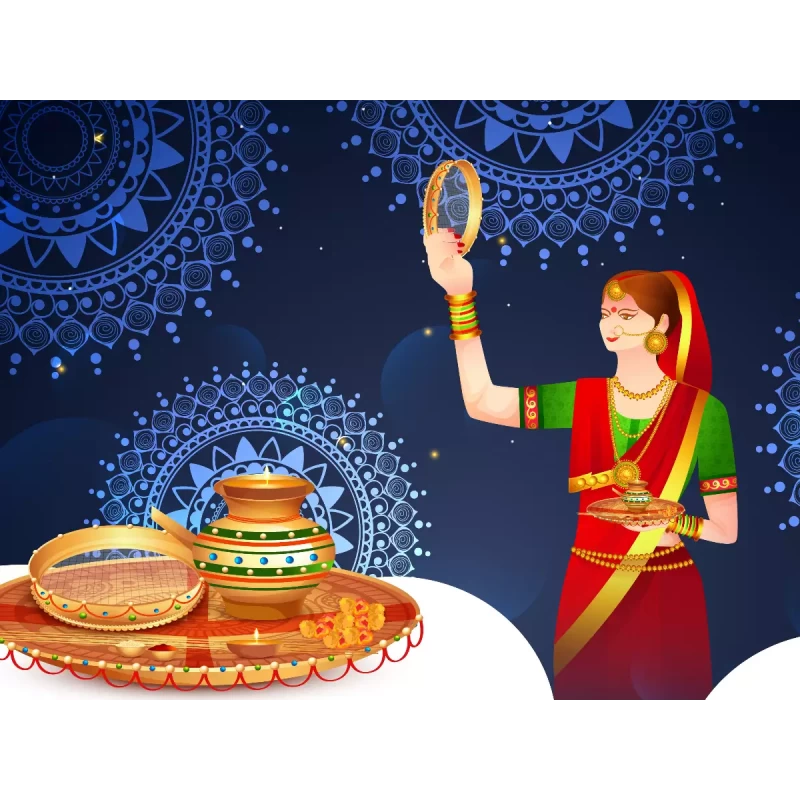
Karva Chauth, a deeply significant Hindu festival, is primarily observed by married women across various parts of India, particularly in its northern and northwestern regions like Punjab, Uttar Pradesh, Rajasthan, Himachal Pradesh, Haryana, and Madhya Pradesh. This auspicious day typically falls on the fourth day (Chaturthi Tithi) of the Krishna Paksha (the waning phase of the moon) in the Hindu lunar month of Kartika, which usually corresponds to October or November in the Gregorian calendar.
Historically, the origins of Karva Chauth are often linked to a time when communities relied heavily on their soldiers. The day was originally commemorated with prayers for the safe return and protection of warriors who were away at war, a poignant reflection of collective concern and community welfare. The very name "Karva" refers to a small earthen pot, which might symbolize a vessel for water, crucial for journeys or battle, and "Chauth" denotes the fourth day, reinforcing its specific timing.
The Evolution and Modern Observance
While the essence of prayer and protection remains, the focus of Karva Chauth has beautifully evolved over time. In contemporary observance, married women dedicate this day to a rigorous fast and heartfelt prayers for the longevity, prosperity, and overall well-being of their husbands. It stands as a profound expression of love, devotion, and the sacred marital bond.
Key Rituals and Practices
- Nirjala Fast: The most defining aspect of Karva Chauth is the strict *nirjala* fast, meaning women abstain from both food and water from sunrise until moonrise. This intense devotion underscores their dedication to their spouse's welfare.
- Sargi: The fast traditionally begins before dawn with *Sargi*, a pre-dawn meal prepared and given by the mother-in-law to her daughter-in-law. This nourishing meal provides strength for the day-long observance.
- Pooja and Katha: Throughout the day, women gather for *pooja* (worship), often in groups, where they perform rituals and listen to the Karva Chauth *katha* (story). These traditional narratives explain the festival's significance and the virtues of devotion.
- Adorning and Community: Women adorn themselves in traditional attire, often their wedding outfits, wear vibrant bangles, and apply intricate *mehendi* (henna) designs. The day is also a lively social occasion, fostering a sense of camaraderie and shared purpose among women.
- Moon Sighting and Breaking the Fast: The fast culminates spectacularly with the sighting of the moon. Women typically look at the moon through a sieve (or sometimes a transparent cloth), offer prayers, and then gaze at their husband's face through the same sieve before breaking their fast with water offered by their husband.
The commitment shown by wives during Karva Chauth is often reciprocated by husbands through gestures of love, appreciation, and gifts, further strengthening the marital ties. The festival beautifully intertwines historical reverence with contemporary expressions of love, making it a vibrant and cherished part of India's cultural fabric.
Frequently Asked Questions About Karva Chauth
- When is Karva Chauth celebrated?
- Karva Chauth is observed on the fourth day of the Krishna Paksha (waning moon phase) in the Hindu month of Kartika, which typically falls in October or November.
- Why do women fast on Karva Chauth?
- Married women undertake a rigorous fast on Karva Chauth to pray for the longevity, prosperity, and well-being of their husbands, viewing it as a profound expression of their love and devotion.
- What is the significance of the "Karva" in Karva Chauth?
- The term "Karva" refers to a small earthen pot, historically symbolizing a vessel, possibly for water or grains. In the context of the festival's origins, it might be linked to provisions for soldiers, representing sustenance and well-being.
- What is the "Nirjala" fast?
- A "Nirjala" fast means abstaining completely from both food and water from sunrise until moonrise, making it one of the most stringent forms of fasting observed in Hindu traditions.