English
  español
  français
  português
  русский
  العربية
  简体中文
简体中文 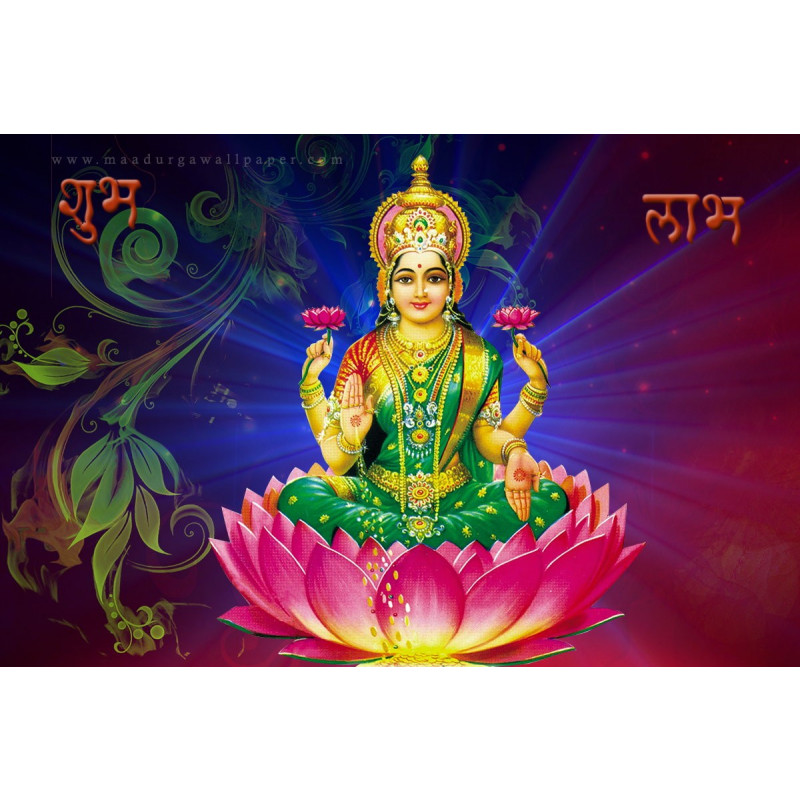
The observance of Varalakshmi Vrata stands as a deeply cherished Hindu religious ceremony, predominantly celebrated by devotees across the South Indian states, with the notable exception of Kerala. This auspicious day is dedicated to venerating Goddess Lakshmi, the revered deity of wealth, prosperity, fortune, and abundance in the Hindu pantheon. As the divine consort of Lord Vishnu, one of the principal deities in the Holy Trinity (Trimurti), Lakshmi is not merely associated with material riches but also with spiritual well-being, health, and familial harmony. Her worship during this Vrata (vow or observance) is believed to invoke blessings for a prosperous and fulfilling life.
This significant festival typically occurs on the second Friday of the auspicious Shravana month, or sometimes on the Friday immediately preceding the Purnima (full moon) within the same month. The Shravana month, which marks the fifth month in the traditional Hindu lunisolar calendar, generally aligns with parts of July and August in the Gregorian calendar. This period, often characterized by the monsoon season in India, is considered particularly sacred for various religious observances.
The Divine Patroness: Goddess Lakshmi
Goddess Lakshmi, an embodiment of grace and affluence, is often depicted seated on a lotus, holding a lotus bud, and showering gold coins from her hands, symbolizing purity, beauty, and wealth. Her association with Lord Vishnu underscores the holistic nature of prosperity, where sustenance and preservation (Vishnu's role) are complemented by abundance and well-being (Lakshmi's role). Devotees often meditate upon her eight principal manifestations, known as Ashtalakshmi, which represent different forms of wealth, including Dhana (money), Dhanya (grains), Dhairya (courage), Vijaya (victory), Santana (progeny), Vidya (knowledge), Gaja (power), and Sowbhagya (good fortune).
Rituals and Observances of Varalakshmi Vrata
The Varalakshmi Vrata is primarily observed by married women, though its benefits extend to the entire family. The ceremony typically involves a day-long fast, followed by an elaborate 'puja' (worship ritual). A central element of the Vrata is the 'Kalasha' – a pot adorned with a coconut and mango leaves, often decorated to resemble Goddess Lakshmi herself. This Kalasha is reverently placed as the focal point of worship. Offerings include a variety of traditional sweets, fruits, flowers (especially lotus), and specific 'naivedyam' (food offerings) prepared with devotion. Mantras are chanted, and devotional hymns (bhajans) are sung, invoking the Goddess's presence and blessings. The devotees perform 'aarti' (waving of lamps) and often read or listen to the Varalakshmi Vrata Katha, a narrative detailing the legends and significance of the observance.
Purpose and Blessings Sought
The primary intention behind observing Varalakshmi Vrata is to seek blessings for the well-being and prosperity of the family, particularly for the longevity and good health of the husband, and for progeny. It is believed that by performing this Vrata with sincerity and devotion, one can obtain the blessings of 'Vara' (boons or wishes) from Goddess Lakshmi, ensuring a life filled with happiness, good fortune, and success. The Vrata strengthens familial bonds and reinforces cultural traditions, bringing together communities in a shared spiritual pursuit.
Frequently Asked Questions about Varalakshmi Vrata
- What is Varalakshmi Vrata?
- Varalakshmi Vrata is an important Hindu religious observance, primarily celebrated in South India, dedicated to appeasing Goddess Lakshmi, the deity of wealth, prosperity, and fortune. It is performed to seek blessings for family well-being and abundance.
- Which states observe Varalakshmi Vrata?
- It is widely observed by Hindus in South Indian states such as Karnataka, Andhra Pradesh, Telangana, and Tamil Nadu. While Lakshmi worship exists across India, the specific Varalakshmi Vrata ritual is less common in Kerala.
- Who is Goddess Lakshmi?
- Goddess Lakshmi is a prominent Hindu deity, revered as the goddess of wealth, fortune, power, beauty, fertility, and prosperity. She is the divine consort of Lord Vishnu, the preserver of the universe.
- When is Varalakshmi Vrata celebrated?
- Varalakshmi Vrata falls on the second Friday, or the Friday before the Purnima (full moon), in the Hindu month of Shravana. This typically corresponds to July or August in the Gregorian calendar.
- What are the main rituals of Varalakshmi Vrata?
- Key rituals include observing a fast, performing an elaborate 'puja' with a specially decorated 'Kalasha' representing the Goddess, offering sweets, fruits, and flowers, chanting mantras, and often listening to the Varalakshmi Vrata Katha. Married women traditionally perform this Vrata for their family's prosperity and their husband's well-being.