
 English
  español
  français
  português
  русский
  العربية
  简体中文
简体中文 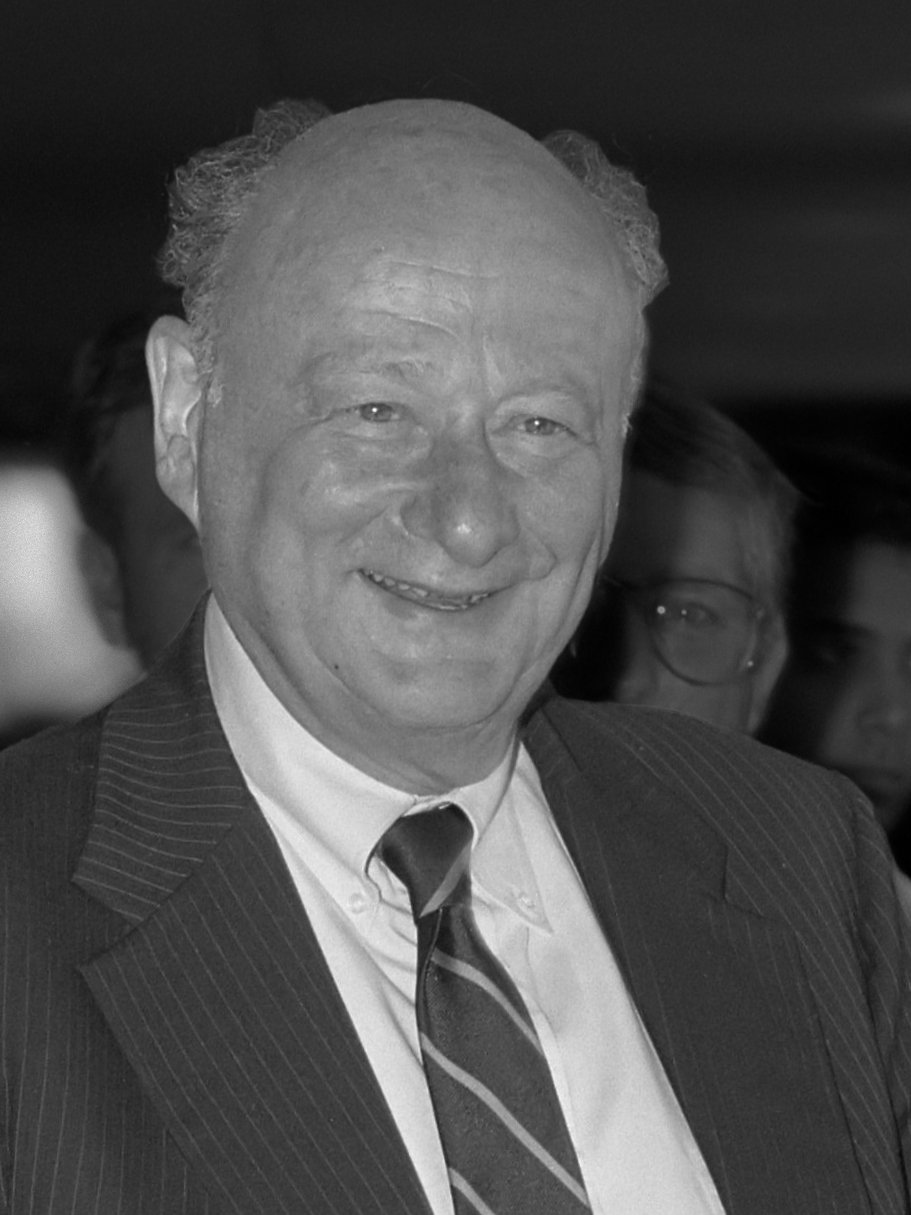
Edward Irving Koch (pronounced KOTCH; December 12, 1924 – February 1, 2013) was a truly iconic American political figure, renowned for his multifaceted career that spanned law, public service, media commentary, and even film criticism. Most notably, Koch served with distinction in the United States House of Representatives before becoming the charismatic and pivotal Mayor of New York City during a critical period in its history.
Early Life and Congressional Service
Born in the Bronx, New York, Edward Koch’s journey into public service began after serving in the U.S. Army during World War II. A practicing lawyer, he entered the political arena, eventually serving as a U.S. Representative for New York’s 18th congressional district (later the 17th) from 1969 to 1977. During his time in Congress, Koch established a reputation as a progressive voice, advocating for various social causes and laying the groundwork for his future impact on urban policy.
Edward Koch's Transformative Mayoral Tenure (1978-1989)
In 1977, Edward Koch was elected as the 105th Mayor of New York City, a role he would hold for three terms until 1989. His assumption of office coincided with a period of severe fiscal crisis and urban decay that had plagued the city since the mid-1970s. Koch’s leadership marked a significant turning point, guiding New York through recovery and laying foundations for its resurgence.
The "Liberal with Sanity" Philosophy and Fiscal Recovery
Koch famously described himself as a "liberal with sanity," a philosophy that encapsulated his pragmatic approach to governance. While rooted in liberal ideals, he demonstrated a strong commitment to fiscal responsibility and practical solutions. Upon entering office, his initial focus was on restoring the city's financial health, which involved implementing tough austerity measures. This included:
- Significantly cutting city spending across various departments to curb an alarming deficit.
- Reducing taxes to incentivize business and residential growth, aiming to retain and attract economic activity.
- Streamlining the municipal workforce by eliminating approximately 7,000 city payroll positions, a decisive move aimed at curbing overhead and increasing efficiency, often facing union opposition but seen as necessary for the city’s survival.
These actions, though challenging, were instrumental in stabilizing New York City's precarious finances and restoring confidence in its future, earning him the moniker of a tough but necessary leader.
Ambitious Urban Renewal and Public Housing
Beyond fiscal austerity, Koch's administration is also remembered for launching one of the most ambitious public housing renewal programs in the city’s history. Particularly in his later years as mayor, he spearheaded initiatives to rebuild and rehabilitate thousands of abandoned and dilapidated housing units, aiming to provide affordable homes for low and middle-income residents. This program transformed neglected neighborhoods across the five boroughs, such as the South Bronx and parts of Brooklyn, and provided much-needed housing stock, a testament to his commitment to revitalizing New York from the ground up and improving the lives of its citizens.
A Unique Public Persona and Political Independence
Edward Koch was more than just a politician; he was a quintessential New Yorker whose engaging personality and direct communication style resonated deeply with the city's residents. His accessibility and distinctive mannerisms contributed significantly to his widespread popularity.
- "How'm I Doin'?" Slogan: He was famously approachable, often riding the New York City Subway or standing on street corners, directly engaging passersby with his signature question, "How'm I doin'?", a simple yet effective way to solicit public feedback and foster a sense of direct accountability. This became a hallmark of his administration and endeared him to many New Yorkers, making him feel like one of them.
- Crossing Party Lines: Demonstrating his commitment to what he believed was best for New York and the nation, Koch was known for his political independence and willingness to prioritize effectiveness over partisan loyalty. Despite being a lifelong Democrat, he notably endorsed Republicans for major offices, including Rudy Giuliani for Mayor of New York City in 1993, Michael Bloomberg for Mayor of New York City in 2001, and even George W. Bush for President in 2004. These endorsements underscored his belief in evaluating candidates based on their perceived competence and suitability for the job, rather than strict party affiliation.
- Staunch Supporter of Israel: Both during his time as a Congressman and following his mayoral terms, Koch was a consistently fervent and vocal supporter of the State of Israel. This advocacy was a deeply held conviction and a significant part of his public identity, reflecting his strong stance on international relations and human rights.
Electoral Success and Third Term Challenges
Koch's popularity was evident in his overwhelming electoral victories, reflecting the public's appreciation for his efforts to stabilize and revitalize the city:
- After his initial win in 1977, he secured a second term in 1981 with a remarkable 75% of the vote, signaling widespread approval of his initial fiscal recovery efforts.
- In a historic achievement, he became the first New York City mayor to win endorsements on both the Democratic and Republican party tickets, underscoring his broad appeal across the political spectrum and demonstrating his ability to transcend traditional partisan divides.
- In 1985, his popularity reached its peak as he was elected to a third term, garnering an even higher 78% of the vote, a testament to his strong connection with the electorate.
However, his third term, from 1986 to 1989, was considerably more challenging. While Edward Koch himself was never personally implicated in wrongdoing, this period was fraught with significant political scandals involving several of his close associates and commissioners, particularly related to corruption within city agencies, which eroded public trust. Concurrently, the city experienced heightened racial tensions, tragically highlighted by high-profile incidents such as the killings of Michael Griffith and Yusuf Hawkins. These events cast a shadow over his final years in office and contributed to a shift in public sentiment, leading to increased scrutiny and criticism.
In 1989, facing a formidable challenge amid these controversies, Koch narrowly lost the Democratic primary to David Dinkins, who subsequently made history as New York City’s first African American mayor, marking the end of the Koch era.
Personal Life and Public Discourse
A lifelong bachelor with no children, Edward Koch's personal life occasionally drew public speculation, particularly concerning his sexual orientation, a topic of frequent media inquiry. He consistently rebuffed these inquiries throughout his career, maintaining that his romantic relationships were private matters not relevant to his public service. After his retirement from political office, Koch publicly declared himself to be heterosexual, choosing to address the long-standing speculation on his own terms and providing clarity to a subject that had often been a point of public discussion.
Legacy of Edward Koch
Edward Koch is remembered as a transformative leader who helped steer New York City away from the brink of bankruptcy and decline, ushering in an era of renewed stability and growth. His unique blend of fiscal conservatism and social liberalism, coupled with an unmatched public engagement style, left an indelible mark on the city he served. His legacy is one of resilience, directness, and a deep, often irreverent, love for New York, a city he not only led but also profoundly shaped.
Frequently Asked Questions About Edward I. Koch
- When did Edward Koch serve as Mayor of New York City?
- Edward Koch served three terms as Mayor of New York City, from January 1, 1978, to December 31, 1989, a period that saw the city emerge from a severe fiscal crisis.
- What were some of Edward Koch's key achievements as mayor?
- Key achievements include stabilizing New York City's finances through significant spending cuts and tax reductions, and initiating an ambitious public housing renewal program that revitalized numerous neighborhoods. He is also remembered for his direct engagement with citizens and fostering civic pride.
- What was Edward Koch's famous slogan?
- Edward Koch was widely known for his signature slogan, "How'm I doin'?", which he frequently used to greet New Yorkers and solicit direct feedback while engaging with them in public spaces, making him an accessible and popular figure.
- Did Edward Koch ever endorse politicians from other parties?
- Yes, despite being a lifelong Democrat, Edward Koch notably endorsed Republican candidates on several occasions. This included Rudy Giuliani and Michael Bloomberg for Mayor of New York City, and George W. Bush for President, demonstrating his political independence and focus on what he perceived as best for the city and nation.
- What was the "liberal with sanity" philosophy of Edward Koch?
- The "liberal with sanity" philosophy described Edward Koch's pragmatic approach to governance. While upholding liberal social values, he strongly prioritized fiscal responsibility, practical solutions, and efficient management of city resources, particularly during New York's financial recovery.