
 English
  español
  français
  português
  русский
  العربية
  简体中文
简体中文 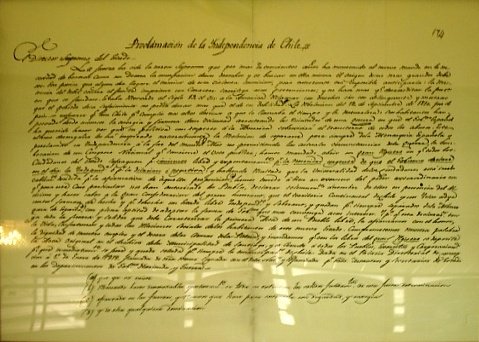
Bernardo O'Higgins Riquelme: Architect of Chilean Independence
Bernardo O'Higgins Riquelme, a name synonymous with Chilean sovereignty and heroism, was a pivotal figure in the South American independence movements. Born on August 20, 1778, and passing away on October 24, 1842, O'Higgins (whose Spanish pronunciation is typically [beɾˈnaɾðo oˈ(x)iɣins]) is universally celebrated as the visionary leader who decisively freed Chile from the enduring grip of Spanish colonial rule during the tumultuous Chilean War of Independence. His dedication was not merely to his homeland but extended to the broader cause of continental liberation.
Early Life, Education, and Heritage
O'Higgins' lineage was as distinguished as his future. He was the illegitimate son of Ambrosio O'Higgins, an Irish-born adventurer who rose through the ranks of the Spanish colonial administration to become a royal governor of Chile and later Viceroy of Peru. This unique heritage, combining Basque-Spanish and Irish ancestry, placed Bernardo in a privileged position as a wealthy landowner. His education in England proved profoundly influential; it was there that he was exposed to the liberal, republican ideals of the Enlightenment, shaping his political consciousness and fueling his commitment to freedom. Upon his return to Chile, he quickly became involved in the burgeoning independence movement, aligning himself with figures like José de San Martín, who would become his close ally in the fight against Spain.
Supreme Director and Founding Father
Despite being the second individual to hold the title, Bernardo O'Higgins served as the Supreme Director of Chile from 1817 to 1823, a period crucial for consolidating the nation's newfound freedom. He is unequivocally regarded as one of Chile's foremost founding fathers because he was the first head of state under this title to lead a fully independent Chilean nation, actively championing complete separation from the Spanish Empire. His predecessor, José Miguel Carrera, while instrumental in early autonomist efforts, did not oversee a state that had formally declared its full independence. O'Higgins' tenure saw the establishment of foundational institutions, the promotion of education, and efforts to modernize the newly formed republic, though his reformist zeal eventually led to his abdication.
A Pan-American Military Leader
O'Higgins' military career spanned beyond Chilean borders, reflecting his commitment to a larger vision of a free South America. He held the esteemed rank of Captain General of the Chilean Army, where he masterminded and led forces in crucial battles, including the decisive Battle of Chacabuco and the Battle of Maipú. His strategic acumen and leadership were recognized continent-wide, earning him significant appointments: he was a Brigadier of the United Provinces of the Río de la Plata (modern-day Argentina), a General Officer of Gran Colombia (under the command of Simón Bolívar), and ultimately, the revered Grand Marshal of Peru. These titles underscore his integral role in the broader South American liberation campaigns, working in concert with iconic figures like San Martín and Bolívar to dismantle Spanish power across the continent.
The Chilean Declaration of Independence: A Landmark Proclamation
The Chilean Declaration of Independence stands as a monumental document, formally severing the ties between Chile and the Spanish Empire and proclaiming its sovereignty to the world. This crucial text, which encapsulated the aspirations of a nation, was meticulously drafted in January 1818.
Approval, Dating, and Historic Ceremony
On February 12, 1818, the declaration received its official sanction from Supreme Director Bernardo O'Higgins, who personally approved it in the city of Talca. Interestingly, the document itself bears the date of January 1, 1818, and states that it was signed in Concepción. This apparent discrepancy is often understood as a symbolic gesture, intending to project an image of national unity and to link the declaration to a prominent city, even if the final approval took place elsewhere due to prevailing military or political circumstances. The momentous public ceremony to formalize Chile's independence was celebrated on February 12, 1818, a date strategically chosen to coincide with the first anniversary of the Battle of Chacabuco. This decisive Patriot victory had paved the way for the re-entry of the independentist forces into Santiago and was a critical turning point in the war.
The Fate of the Original Document
The original handwritten draft of the Chilean Declaration of Independence, notably featuring manuscript comments and amendments by O'Higgins himself, suffered an unfortunate fate. It was severely damaged during the tumultuous events that unfolded at the Palace of the Real Audiencia of Santiago, likely amidst the chaos and violence of early republican struggles or later political upheavals.
The 1832 Official Copy and its Tragic Loss
Recognizing the immense historical and legal significance of the declaration, a new official copy was commissioned in 1832, during the presidency of José Joaquín Prieto. This replica was meticulously prepared and then dispatched to Peru, where Bernardo O'Higgins was living in exile, so that he could affix his signature to it, validating the document posthumously from his active leadership. Subsequently, the document returned to Chile to be signed by his former ministers who were still alive in the country, including Miguel Zañartu, Hipólito Villegas, and José Ignacio Zenteno, thereby solidifying its legitimacy and historical record. This precious 1832 copy was carefully preserved for over a century at the Palacio de La Moneda, Chile's presidential palace, a symbol of national power and history. Tragically, this irreplaceable artifact was destroyed during the violent 1973 Chilean coup d'état, when the palace was bombarded and engulfed in fighting, representing a profound loss to the nation's historical heritage.
Frequently Asked Questions about Bernardo O'Higgins and Chilean Independence
- Who was Bernardo O'Higgins Riquelme?
- Bernardo O'Higgins Riquelme was a prominent Chilean independence leader, military general, and statesman who is credited with liberating Chile from Spanish rule and establishing it as a fully independent republic. He served as the first Supreme Director of independent Chile.
- Why is O'Higgins considered a founding father even though he was the second Supreme Director?
- He is considered a founding father because, unlike his predecessor José Miguel Carrera who pursued autonomist policies, O'Higgins was the first Supreme Director to lead a fully independent Chilean state that had formally declared its complete separation from the Spanish Empire. He actively campaigned for and consolidated this independence.
- What was the significance of the Chilean Declaration of Independence?
- The Chilean Declaration of Independence was the formal proclamation of Chile's sovereignty and its definitive break from Spanish colonial rule. It marked the official birth of the Chilean Republic and served as a legal and symbolic cornerstone of the new nation.
- Why was the Declaration of Independence dated January 1, 1818, but approved on February 12, 1818?
- The January 1st date, associated with Concepción, was likely a symbolic gesture intended to project national unity and represent a broader national will, while the actual approval by Supreme Director O'Higgins occurred in Talca on February 12th due to practical and military considerations of the time.
- What happened to the original and the 1832 copy of the Chilean Declaration of Independence?
- The original draft, with O'Higgins' notes, was damaged in the Palace of the Real Audiencia of Santiago. A later, official copy made in 1832, signed by O'Higgins and his former ministers, was preserved at the Palacio de La Moneda until it was tragically destroyed during the violent 1973 Chilean coup d'état.