
 English
  español
  français
  português
  русский
  العربية
  简体中文
简体中文 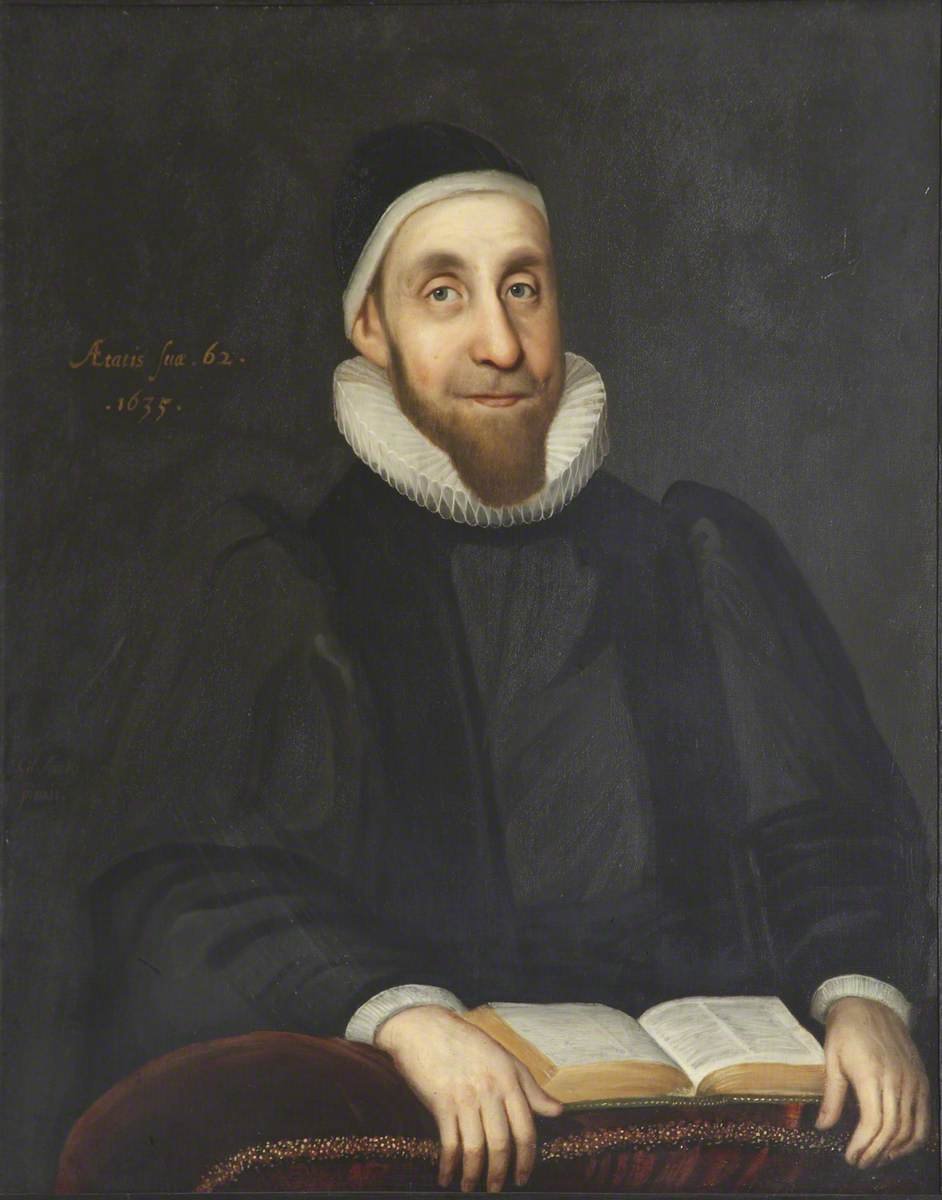
Robert Burton: The Scholar, Satirist, and Master of Melancholy
Robert Burton (8 February 1577 – 25 January 1640) was an eminent English scholar, writer, and long-serving fellow of Oxford University, whose intellectual legacy is inextricably linked to his monumental and eccentric work, The Anatomy of Melancholy. This encyclopedic tome, a sprawling exploration of human suffering and its remedies, cemented Burton's place as a singular figure in English literary history, renowned for his profound erudition and unique narrative voice.
Early Life, Education, and Formative Years at Oxford
Born in 1577, Robert Burton hailed from a comfortably well-off family belonging to the landed gentry in Lindley, Leicestershire. This social standing afforded him access to a robust education, which began in two grammar schools before he matriculated into Brasenose College, Oxford, in 1593 at the tender age of 15. His academic journey at Oxford was notably protracted, a period that possibly spanned over two decades. This extended stay, an unusually lengthy engagement with university life for his time, is often speculated to have been influenced by his own affliction with melancholy, a pervasive theme he would later explore in his magnum opus. His education included an early transfer to Christ Church, another prestigious Oxford college, further broadening his academic experience. Burton diligently pursued his studies, culminating in the attainment of both a Master of Arts (MA) and a Bachelor of Divinity (BD) degree. By 1607, he had achieved the qualifications necessary to serve as a tutor, a pivotal role that involved guiding younger students through their academic pursuits within the collegiate system.
Robert Burton's Early Literary Endeavors
Even before the monumental undertaking of The Anatomy of Melancholy, Burton indulged his early literary interests within the scholarly environment of Oxford, beginning as early as 1603. These initial creative forays showcased his versatile intellect and wit. Among his early works were several Latin poems, reflecting the classical training that was a cornerstone of Renaissance scholarship. He also penned a play, now unfortunately lost to history, which was performed before and famously panned by King James I himself. This royal disapproval, though perhaps a disappointment, highlights Burton's engagement with the theatrical trends of his era. His only surviving play, an academic satire titled Philosophaster (meaning "philosopher-wannabe" or "smatterer in philosophy"), offers a rare glimpse into university drama of the period. Though it has not achieved the same critical acclaim as his masterpiece, Philosophaster has garnered significant academic attention, notably "received more attention than most of the other surviving examples of university drama," providing valuable insights into the intellectual and social satire prevalent in collegiate settings of the early 17th century.
A Life Entwined with Oxford: Academic and Ecclesiastical Roles
Following the completion of his MA in 1605, Burton seemingly harbored intentions of leaving the university and establishing a career outside its hallowed walls. However, he never fully succeeded in this endeavor, remaining deeply embedded in Oxford's academic fabric throughout his life. Despite his aspirations for a different path, he managed to secure several ecclesiastical appointments, which were common forms of patronage for scholars of his time and provided a stable income. Through the university's influence, he obtained the living of St Thomas the Martyr's Church in Oxford, a benefice that came with pastoral duties and a fixed income. Additionally, he secured external patronage for the benefice of Walesby and the rectorship of Seagrave, both in Lincolnshire, though his primary residence and intellectual life remained centered in Oxford. As a permanent fellow of Oxford, Burton was deeply involved in the day-to-day operations of his college, serving in numerous minor administrative roles that were crucial to the functioning of the university. From 1624 until his death, he also held the prestigious position of librarian of Christ Church Library, a role that perfectly aligned with his scholarly inclinations and provided him with unparalleled access to a vast repository of knowledge. Over time, Burton came to fully embrace and even celebrate what he termed his "sequestered" existence within the libraries and colleges of Oxford, often speaking highly of his alma mater throughout the pages of The Anatomy of Melancholy, recognizing it as the ideal environment for his profound scholarly pursuits.
The Anatomy of Melancholy: A Unique Literary Landmark
Genesis and Enduring Character of The Anatomy
Robert Burton's most famous work and indeed his greatest intellectual achievement is undoubtedly The Anatomy of Melancholy, What it is, With all the Kinds, Causes, Symptoms, Prognostickes, and severall cures of it. In three Maine Partitions with their severall Sections, Members, and Subsections. Philosophically, Medicinally, Historically opened and cut up. First published in 1621, this monumental treatise on the nature of melancholy and human suffering proved to be an immediate and enduring success. Its popularity was such that it was reprinted with significant additions and revisions by Burton himself no fewer than five times during his lifetime, a testament to its contemporary relevance and broad appeal. The book's famously "digressive and labyrinthine" structure is one of its defining characteristics. It weaves together a vast array of topics, from medicine, philosophy, psychology, and theology to history, literature, and social commentary, all centered around the pervasive theme of melancholy. Burton candidly admitted that he wrote the work as much to alleviate his own struggles with the condition as to provide comfort and understanding to others. The final edition, meticulously expanded by Burton, grew to encompass more than 500,000 words, reflecting the author's relentless pursuit of comprehensive knowledge and his profound commitment to the subject.
The Intellectual Tapestry: Erudition and Purpose
The Anatomy of Melancholy is an unparalleled display of erudition, serving as the culmination of a lifetime's worth of extensive reading and deep reflection. The text is densely "permeated by quotations from and paraphrases of many authorities," encompassing a staggering range of sources. Burton draws liberally from classical Greek and Roman texts, including philosophers like Plato and Aristotle, physicians like Galen and Hippocrates, and poets such as Horace and Virgil. Simultaneously, he integrates insights from contemporary Renaissance thinkers, theologians, and medical practitioners, creating a rich intellectual tapestry. This unique approach, blending ancient wisdom with emerging ideas, makes The Anatomy a singular achievement in early modern scholarship. Beyond its encyclopedic scope, the book served as a practical guide for his contemporaries grappling with what was then a widely recognized and debilitating condition. Burton's work explores the myriad causes of melancholy—ranging from diet and environment to love and religious despair—and proposes various remedies, from exercise and diet to music and social engagement. It is, at its heart, a profound exploration of the human condition, anticipating many themes later explored by modern psychology and philosophy, making it far more than just a historical medical text.
Robert Burton's Lasting Legacy and Enduring Influence
Death, Library, and Posthumous Recognition
Robert Burton passed away on 25 January 1640. His death marked the end of a life wholly dedicated to scholarship within the tranquil confines of Oxford. His extensive personal library, a treasure trove reflecting his lifelong intellectual curiosity, was thoughtfully bequeathed and subsequently split between two of Oxford's most prestigious institutions: the Bodleian Library, one of the oldest libraries in Europe, and Christ Church Library, where he had served as librarian. This distribution ensured that his vast collection of books, many of which were meticulously annotated by Burton himself, would continue to serve future generations of scholars. During his lifetime and in the decades immediately following his death, The Anatomy of Melancholy was widely read, admired, and notably, frequently "used and plagiarised by many authors." This practice, while viewed differently today, was not uncommon in an era where intellectual property rights were less defined and borrowing from respected sources was often seen as a form of tribute. However, despite its initial success, the book's popularity waned considerably, and it entered a lull in general readership throughout the 18th century, a period often characterized by a preference for more concise and rational prose. It was only the widely publicized revelation of its significant influence, particularly through the extensive "plagiarism" by the celebrated 18th-century novelist Laurence Sterne in his groundbreaking work Tristram Shandy, that dramatically revived interest in Burton's work into the 19th century. This reawakening captivated new audiences, especially among the English Romantics, who found resonance in The Anatomy's introspective nature, its exploration of complex emotions, and its celebration of the individual psyche.
Revival and Enduring Appeal of The Anatomy
The 19th-century revival spurred by Sterne's indirect homage cemented The Anatomy of Melancholy's place in the literary canon, though it continued to be appreciated more by discerning readers than by a mass audience. In the 20th and 21st centuries, the book has received significantly "more academic attention," with scholars delving into its literary structure, its historical context, its contributions to the history of medicine and psychology, and its unique blend of genres. Regardless of its fluctuating popularity among the general public, Burton's masterpiece has consistently attracted a distinguished cohort of readers across centuries and disciplines. This illustrious list includes literary giants such as Samuel Johnson, the influential 18th-century man of letters; the American polymath and Founding Father Benjamin Franklin; the Romantic poet John Keats, who found solace and inspiration in its pages; the renowned Canadian physician and medical historian William Osler, who considered it one of the greatest medical books; and the Nobel laureate playwright Samuel Beckett, who admired its stylistic innovations and existential depth. These diverse readers attest to the timelessness and multifaceted appeal of The Anatomy of Melancholy, confirming Robert Burton's enduring status as a profound observer of the human condition.
Frequently Asked Questions About Robert Burton
- Who was Robert Burton?
- Robert Burton (1577-1640) was an English scholar, writer, and a fellow of Oxford University, best known for his influential and expansive book, The Anatomy of Melancholy.
- What is The Anatomy of Melancholy about?
- It is an encyclopedic and highly digressive work that explores every conceivable aspect of melancholy—its causes, symptoms, and cures—from medical, philosophical, theological, and literary perspectives. It draws on a vast range of classical and contemporary sources.
- When was The Anatomy of Melancholy first published?
- The first edition of The Anatomy of Melancholy was published in 1621.
- Why did Robert Burton write The Anatomy of Melancholy?
- Burton stated that he wrote the book both to alleviate his own struggles with melancholy and to help others understand and cope with the condition. It served as a form of self-therapy and a comprehensive guide.
- What was Robert Burton's connection to Oxford University?
- Burton spent most of his adult life at Oxford University, first as a student, then as a tutor, a fellow, and finally as the librarian of Christ Church Library from 1624 until his death. His life was deeply intertwined with the academic and intellectual life of the university.
- How did The Anatomy of Melancholy influence other writers?
- The book was widely read and even plagiarized by many authors during and after Burton's lifetime. Notably, its significant influence on Laurence Sterne's Tristram Shandy in the 18th century brought about a major revival of interest in Burton's work, especially among the Romantics in the 19th century.
- What is the significance of Robert Burton's work today?
- Today, The Anatomy of Melancholy is highly regarded for its unique literary style, its vast erudition, its insights into early modern thought on psychology and medicine, and its enduring relevance as a profound exploration of the human mind and its struggles.