English
  español
  français
  português
  русский
  العربية
  简体中文
简体中文 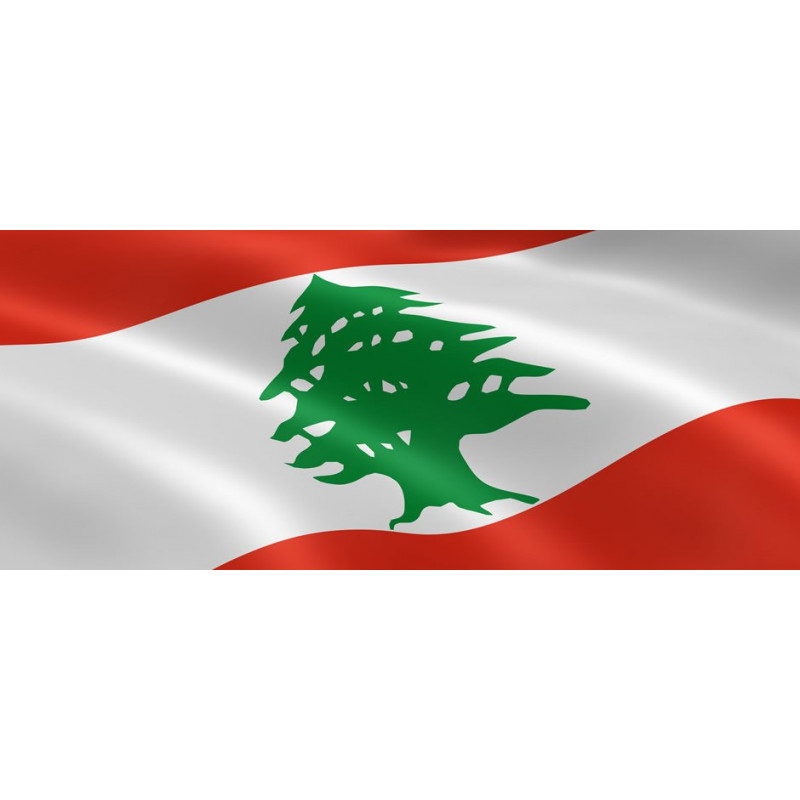
In Lebanon, November 22nd marks a profoundly significant date: Independence Day, a revered national holiday. This day commemorates the nation's momentous achievement of complete sovereignty and the cessation of French Mandate control in 1943, a pivotal turning point in Lebanese history.
A Day of National Significance
Independence Day is far more than just another public holiday in Lebanon; it is a day imbued with deep historical resonance and patriotic fervour. Across the country, government offices, banks, and schools typically close, allowing citizens to participate in celebrations and reflect upon the nation's journey to self-determination. It is a moment for collective memory, honouring the struggle and sacrifice that paved the way for a sovereign Lebanese state.
The Road to Sovereignty: Unpacking the French Mandate
To fully grasp the significance of November 22nd, 1943, one must understand the context of the French Mandate. Following the dissolution of the Ottoman Empire after World War I, the Sykes-Picot Agreement (1916) secretly carved up the Middle East. Subsequently, in 1920, the San Remo Conference officially assigned mandates over former Ottoman territories to Allied powers. France was granted the Mandate for Syria and Lebanon by the League of Nations, effectively placing these regions under French administrative and political control.
For over two decades, French influence permeated Lebanese governance, economy, and culture. While the mandate system ostensibly aimed to prepare these nations for self-rule, it was often met with growing nationalist sentiment and movements advocating for genuine independence. By the early 1940s, global circumstances, particularly the exigencies of World War II, further amplified calls for liberation. The Allied powers, including Britain and Free France, found themselves in a precarious position, requiring stability in the region while facing increasing internal demands for self-governance from mandated territories.
The Pivotal Moment: November 22, 1943
The year 1943 proved to be the decisive turning point. Following national elections, a new Lebanese government was formed, led by President Bechara El Khoury and Prime Minister Riad El Solh. This government boldly moved to assert Lebanese sovereignty, taking steps to amend the constitution to abolish articles that preserved French control. In response, the French Mandate authorities, on November 11, 1943, arrested President El Khoury, Prime Minister El Solh, and several other ministers and parliamentarians, imprisoning them in Rashaya Citadel.
This drastic action ignited widespread national outrage and popular resistance across Lebanon. Cities and towns erupted in protests, and international pressure mounted on France, particularly from the United Kingdom, which saw the arrests as destabilizing to the war effort in the region. Faced with escalating unrest and international condemnation, the French authorities were compelled to release the detained leaders on November 22, 1943. This release marked the definitive end of French control and the beginning of a truly independent Lebanese Republic, built on the will of its people.
The National Pact: A Cornerstone of Lebanese Identity
Crucial to the 1943 independence was the unwritten agreement known as the "National Pact" (Mithaq al-Watani). This understanding, forged between the Maronite Christian President Bechara El Khoury and Sunni Muslim Prime Minister Riad El Solh, laid the foundational principles for modern Lebanon. It stipulated that Lebanon would be an independent, sovereign state, neither aligning fully with the Western world nor integrating into an Arab bloc, thus maintaining its unique identity. Furthermore, it established a power-sharing system based on confessional representation, ensuring a delicate balance among Lebanon's diverse religious communities in governmental roles. While often debated and challenged over the decades, the National Pact remains a fundamental, albeit uncodified, pillar of Lebanese political life, reflecting the complex mosaic of its society.
Celebrating Independence Today
Today, Lebanese Independence Day is celebrated with a vibrant tapestry of events. The most prominent celebration is typically the military parade held in Beirut, showcasing the Lebanese Armed Forces and symbolizing the nation's sovereignty and defence capabilities. Official ceremonies often include speeches by political leaders, reflecting on the historical journey and looking towards the future. Beyond the official pomp, Lebanese families and communities celebrate in their own unique ways. Homes and public spaces are adorned with the iconic red, white, and green Lebanese flag, often featuring the majestic cedar tree. The aroma of traditional Lebanese foods fills the air as families gather for meals, fostering a sense of unity and national pride. It's a day when the spirit of resilience and the enduring aspiration for self-determination are vividly felt across the country, reminding everyone of the profound significance of November 22nd.
Frequently Asked Questions about Lebanon's Independence Day
- When is Lebanon's Independence Day celebrated?
- Lebanon observes its Independence Day annually on November 22nd.
- What historical event does November 22nd commemorate?
- This day commemorates Lebanon's definitive independence from French Mandate control, which was achieved in 1943.
- What was the French Mandate?
- The French Mandate was an administrative and political arrangement established by the League of Nations after World War I, granting France control over areas that now constitute modern-day Lebanon and Syria, following the dissolution of the Ottoman Empire.
- Who were key figures in Lebanon's 1943 independence?
- President Bechara El Khoury and Prime Minister Riad El Solh were instrumental figures, alongside other national leaders, whose defiance against French authority played a crucial role in securing the nation's independence.
- What is the significance of the National Pact in Lebanon's independence?
- The National Pact, an unwritten agreement formulated in 1943, laid the foundation for Lebanon's unique confessional power-sharing system. It affirmed Lebanon's identity as an independent, sovereign state, balancing its diverse religious communities and ensuring it would not be fully aligned with either East or West.