English
  español
  français
  português
  русский
  العربية
  简体中文
简体中文 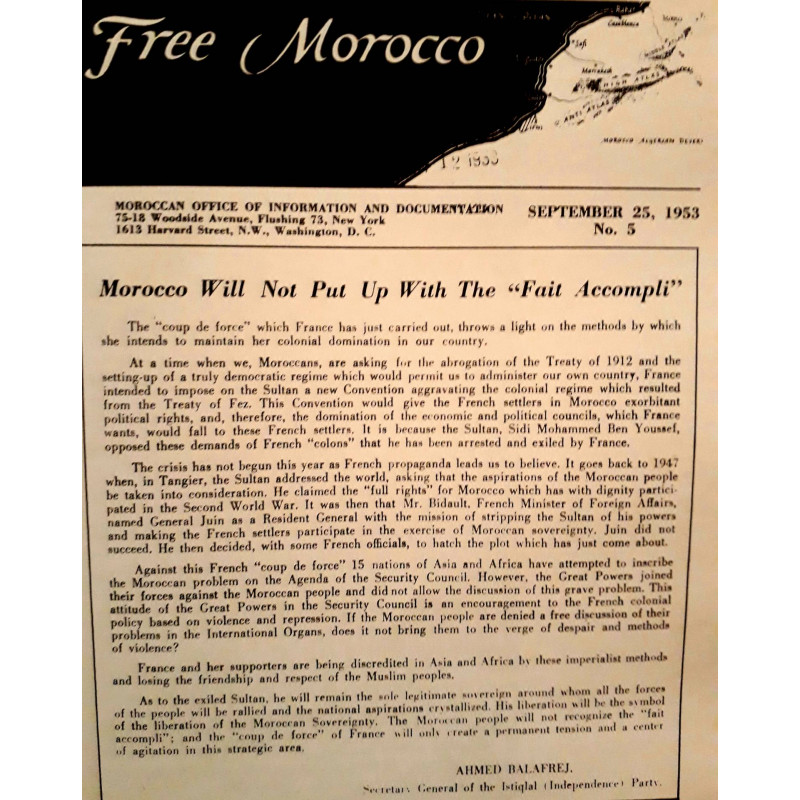
Takdim Watikat Al-Istiqlal, often translated as the Proclamation of Independence, stands as a cornerstone of Morocco's rich history and national identity. This pivotal day is a deeply cherished national Moroccan holiday, observed annually with profound reverence on the 11th of January. It commemorates a seminal moment in 1944 when Moroccan nationalists, with the full backing of Sultan Mohammed V, presented a bold manifesto demanding the full autonomy of Morocco from the French Protectorate, laying the indispensable groundwork for the nation's eventual sovereignty.
This day is not merely a remembrance of a document; it celebrates the audacious spirit of a people determined to reclaim their destiny, marking a significant turning point from diplomatic negotiation to an outright demand for independence.
The Historical Context: Morocco Under the Protectorate
To fully grasp the significance of Takdim Watikat Al-Istiqlal, it's essential to understand the geopolitical landscape of Morocco in the early 20th century. Since the Treaty of Fes in 1912, Morocco had been under a dual French and Spanish Protectorate, effectively relinquishing its international sovereignty while nominally preserving the Alaouite monarchy. The French zone, encompassing the majority of the country, was governed by a Resident-General. While the Protectorate introduced some modern infrastructure, it also stifled political freedoms, exploited resources, and often disregarded Moroccan cultural and religious sensitivities, fueling a growing nationalist sentiment.
The Genesis of the Manifesto of Independence
The year 1944 arrived amidst the turbulent backdrop of World War II. Allied forces, including Moroccan soldiers, were fighting for freedom and self-determination on various fronts, a reality that starkly highlighted the hypocrisy of Morocco's continued subjugation. Moroccan nationalist leaders, galvanized by the Casablanca Conference of 1943 – where President Roosevelt hinted at support for self-determination – saw a strategic window of opportunity. They secretly drafted a manifesto, a formal declaration asserting Morocco's inherent right to independence and demanding an end to the Protectorate.
On January 11, 1944, a delegation of nationalist leaders, spearheaded by figures such as Allal Al-Fassi and Ahmed Balafrej, along with others representing various segments of Moroccan society, formally presented this courageous document. It was simultaneously submitted to Sultan Mohammed V, the supreme spiritual and political authority, and to the French Resident-General, Gabriel Puaux. The Sultan's immediate and unequivocal endorsement of the manifesto was a monumental act of defiance, solidifying his bond with the nationalist movement and irrevocably committing the monarchy to the cause of independence.
Key Demands of the Manifesto:
- The immediate and full independence of Morocco.
- Preservation of Morocco's territorial integrity under the legitimate sovereignty of Sultan Mohammed V.
- Morocco's participation in the international peace conference.
The manifesto was signed by 66 prominent Moroccan nationalists, including politicians, intellectuals, religious scholars, and leaders of various social strata, representing a unified national front against foreign rule.
A Catalyst for Change: From Proclamation to Full Sovereignty
While the Proclamation of Independence in 1944 did not immediately result in full sovereignty – that would come in 1956 – it was an utterly transformative event. It shifted the nationalist struggle from clandestine resistance and incremental reforms to an open, unequivocal demand for complete independence. This bold public declaration rallied widespread popular support, invigorated the nationalist movement, and garnered international attention for Morocco's plight.
The French response was initially harsh, leading to arrests and repression of nationalist leaders. However, the seed of independence had been firmly planted, and the unwavering commitment of Sultan Mohammed V, who would later be exiled for his steadfast support of the nationalist cause, further galvanized the Moroccan people. The 1944 proclamation served as the conceptual and moral blueprint for the subsequent struggle, culminating in Morocco achieving its full independence on March 2, 1956.
Observing Takdim Watikat Al-Istiqlal Today
Every year on January 11th, Morocco pauses to reflect on this defining moment. The day is marked by official ceremonies, including speeches by high-ranking officials, the laying of wreaths at national monuments, and cultural events. Schools often organize special programs to educate younger generations about the significance of the manifesto and the sacrifices made for national liberation. It is a day of national pride, celebrating the foresight and courage of those who dared to dream of and demand a free Morocco, serving as a powerful reminder of the nation's resilient spirit and its journey towards self-determination.
Frequently Asked Questions About Takdim Watikat Al-Istiqlal
What is Takdim Watikat Al-Istiqlal?
Takdim Watikat Al-Istiqlal is a national Moroccan holiday commemorating the formal presentation of the Manifesto of Independence on January 11, 1944, demanding an end to the French Protectorate and asserting Morocco's right to full sovereignty.
When is Takdim Watikat Al-Istiqlal observed?
It is observed annually on January 11th.
Did Morocco gain full independence on January 11, 1944?
No, January 11, 1944, marked the bold proclamation and demand for independence. Morocco achieved its full independence from French and Spanish Protectorates on March 2, 1956.
Who signed the Manifesto of Independence?
The Manifesto was signed by 66 prominent Moroccan nationalists, including political leaders, intellectuals, and religious scholars, representing a broad national consensus.
What was the role of Sultan Mohammed V in this event?
Sultan Mohammed V played a crucial role by endorsing the Manifesto of Independence, thereby aligning the monarchy with the nationalist movement and giving immense moral and political weight to the demand for independence.