English
  español
  français
  português
  русский
  العربية
  简体中文
简体中文 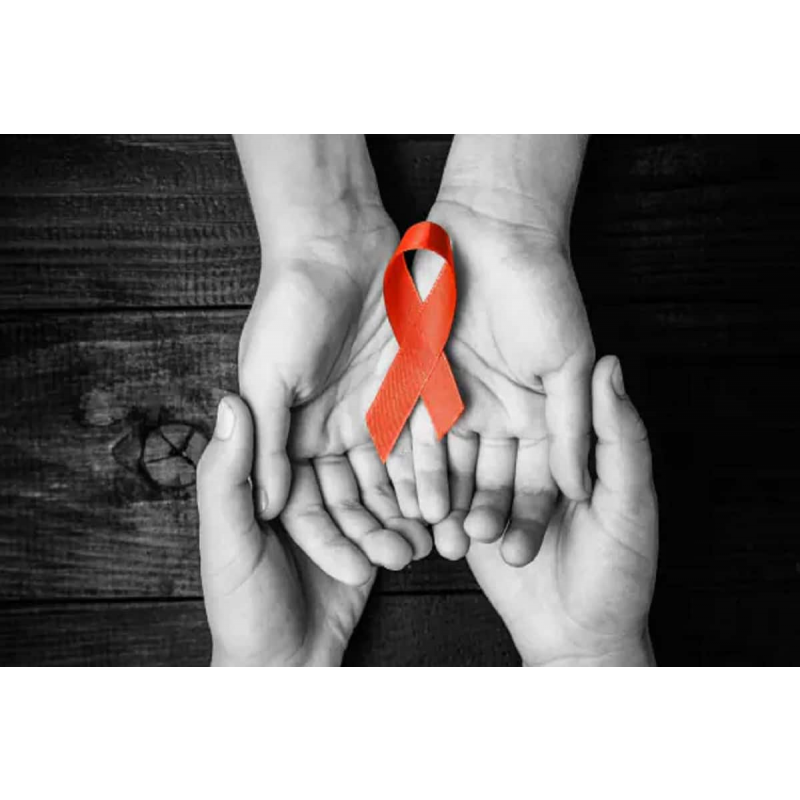
Every year on December 1st, the world collectively observes World AIDS Day, a pivotal global health observance dedicated to amplifying awareness about the human immunodeficiency virus (HIV) and acquired immunodeficiency syndrome (AIDS). It's a day not only for education but also a profound opportunity to demonstrate solidarity with the millions of individuals whose lives have been impacted by the virus, either directly or indirectly. This solemn yet hopeful occasion serves as a powerful reminder of the ongoing challenge and the remarkable progress made in the fight against HIV/AIDS.
Despite significant advancements in prevention and treatment, HIV/AIDS remains a pressing global health issue. Currently, over 38 million people worldwide are living with HIV, navigating the complexities of chronic illness, societal stigma, and access to care. Tragically, approximately 690,000 individuals still succumb to AIDS-related illnesses annually. These illnesses, often opportunistic infections like tuberculosis or specific cancers, exploit a weakened immune system compromised by the virus. World AIDS Day rallies the global community to accelerate efforts in education, promote preventative measures, encourage widespread testing, ensure equitable access to life-saving treatments, and provide unwavering support for those living with HIV.
Driving Global Action: The Role of UNAIDS and Partners
The global campaign for World AIDS Day is strategically spearheaded by the Joint United Nations Programme on HIV/AIDS (UNAIDS), a vital organization established in 1996 that coordinates the efforts of 11 UN system organizations. UNAIDS provides leadership, advocacy, technical support, and data crucial for the global HIV response. Their efforts are bolstered by a vast network of dedicated partners, including national governments, international non-governmental organizations (NGOs) like the Global Fund to Fight AIDS, Tuberculosis and Malaria, grassroots community groups, academic institutions, private sector entities, and countless individuals who volunteer their time and resources.
A distinctive feature of World AIDS Day is its annually evolving theme, which provides a specific focus for global advocacy and action. While the thematic emphasis shifts each year – for instance, focusing on global solidarity, ending inequalities, or community leadership – the core objective remains constant: to heighten awareness about the critical importance of HIV testing, early diagnosis, and consistent access to treatment. A fundamental aim is also to dismantle the deep-seated stigma and discrimination often associated with HIV/AIDS. This stigma, fueled by misinformation and fear, can severely impede prevention efforts, discourage testing, and prevent individuals from seeking or adhering to treatment, ultimately exacerbating the epidemic.
Engagement on World AIDS Day takes many forms, reflecting diverse cultural contexts and local needs. People worldwide participate in commemorative events, educational seminars, charity fundraisers, and impactful social media campaigns using hashtags to amplify messages. From wearing the iconic red ribbon, a universally recognized symbol of solidarity and awareness, to attending candlelight vigils or engaging in policy advocacy, every action contributes to breaking down barriers, fostering understanding, and mobilizing collective support for affected communities.
The Impact and Future Outlook: A Journey of Progress and Perseverance
The cumulative impact of World AIDS Day over decades has been profound. It serves as an indispensable annual touchpoint, refocusing global attention on the ongoing imperative of HIV prevention, comprehensive testing strategies, and consistent access to advanced treatments. Thanks to concerted global efforts, significant strides have been made. While the absolute number of people living with HIV has increased due to improved longevity thanks to treatment, the rate of new HIV infections has declined in many regions, and critically, AIDS-related deaths have fallen dramatically from their peak.
A cornerstone of this progress is the widespread availability and accessibility of antiretroviral therapy (ART). ART involves a combination of medications that suppress the HIV virus, reducing its viral load to undetectable levels. This revolutionary treatment has transformed HIV from a rapidly fatal illness into a manageable, chronic condition, allowing individuals to live long, healthy, and productive lives. As of 2020, approximately 27.5 million people living with HIV were accessing ART, a testament to the expansion of treatment programs globally. Furthermore, when an individual's viral load is undetectable, they cannot transmit HIV sexually, a groundbreaking scientific consensus known as "Undetectable = Untransmittable" (U=U), which significantly reduces transmission risk and helps combat stigma.
By continually working together – governments, healthcare providers, communities, and individuals – we can sustain and accelerate this progress. The goal remains ambitious: to reduce the number of new HIV infections to zero, eliminate AIDS-related deaths, and significantly improve the quality of life for all people living with the virus. World AIDS Day is an urgent call to action, an opportunity to educate ourselves and others, to show unwavering support for those affected by HIV, and to contribute to the collective vision of an HIV-free future.
Frequently Asked Questions About World AIDS Day and HIV/AIDS
- When is World AIDS Day observed?
- World AIDS Day is observed annually on December 1st.
- What is the primary purpose of World AIDS Day?
- The primary purpose is to raise awareness about HIV/AIDS, to mourn those lost to the epidemic, and to show support for people living with HIV.
- Who leads the World AIDS Day campaign?
- The Joint United Nations Programme on HIV/AIDS (UNAIDS) leads the global World AIDS Day campaign, with support from various international and local organizations, governments, and individuals.
- What is the significance of the red ribbon?
- The red ribbon is the universal symbol of awareness and support for people living with HIV and solidarity with those who have died from AIDS-related illnesses.
- What is Antiretroviral Therapy (ART)?
- ART is a combination of medications that suppresses the HIV virus, allowing people with HIV to live longer, healthier lives and significantly reducing the risk of HIV transmission.
- What does "Undetectable = Untransmittable" (U=U) mean?
- U=U means that a person living with HIV who is on effective ART and has achieved and maintained an undetectable viral load cannot sexually transmit HIV to others.