English
  español
  français
  português
  русский
  العربية
  简体中文
简体中文 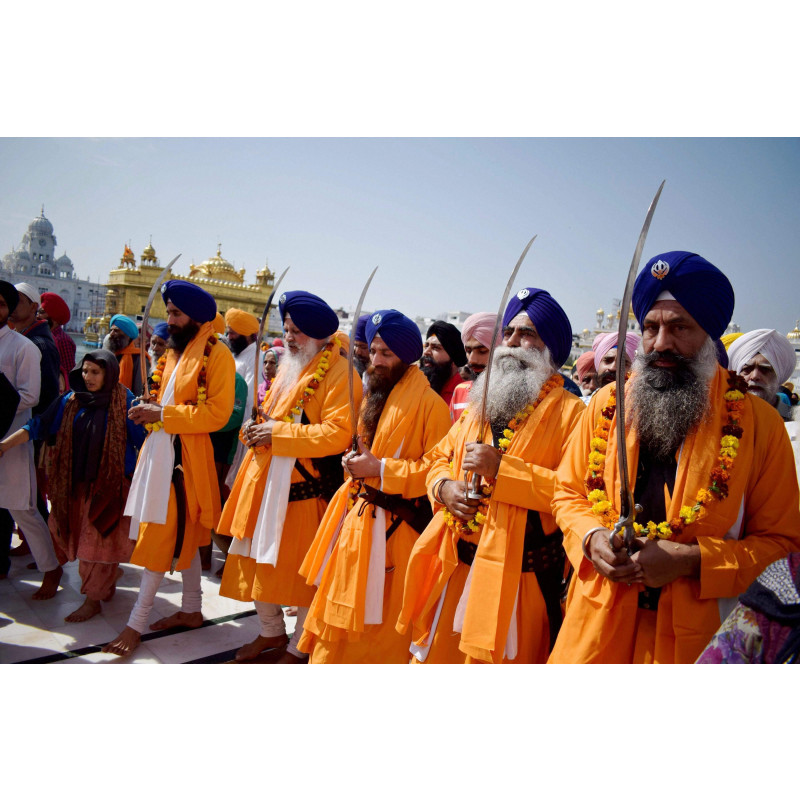
Hola Mohalla, a vibrant and significant Sikh festival, stands as a profound testament to the martial spirit and unwavering faith of the Khalsa. Unlike the playful revelry of many spring festivals, Hola Mohalla was deliberately inaugurated by Guru Gobind Singh, the tenth Sikh Guru, in 1701 at Anandpur Sahib. His vision was to transform the celebratory mood of Holi into an occasion for Sikhs to demonstrate their martial prowess, spiritual strength, and readiness to defend righteousness.
The Vision of Guru Gobind Singh
In an era marked by intense persecution and frequent conflicts with the Mughal Empire, Guru Gobind Singh recognized the critical need to instill discipline, courage, and a collective martial identity within the Sikh community. He envisioned Hola Mohalla not merely as a day of festivity but as an annual assembly for the military training and strategic exercises of his Khalsa warriors. This move was pivotal in shaping the Sikhs into a formidable force dedicated to upholding justice and protecting the vulnerable.
Traditional Activities: Mock Battles and Poetic Valor
The original observance of Hola Mohalla was a unique blend of martial display and cultural expression. Central to the celebrations were simulated battles and military exercises, known as 'Mohalla,' meaning an organized procession or an army column. Participants would engage in mock combat, demonstrating their skills in traditional Sikh martial arts, most notably 'Gatka.' Gatka is a dynamic, ancient martial art that involves wielding various weapons such as swords (kirpan), spears (barchha), and sticks, emphasizing fluid movements, defense, and offense. These displays were not just for show; they served as practical training, enhancing physical conditioning, strategic thinking, and camaraderie among the warriors.
Beyond the battlefield, Hola Mohalla also fostered intellectual and spiritual development through poetry contests. These competitions provided a platform for bards and poets to recite verses extolling valor, Sikh history, the teachings of the Gurus, and the profound principles of courage and sacrifice. This unique combination underscored Guru Gobind Singh's belief in the holistic development of his Sikhs – strong in body, mind, and spirit.
Timing and Significance: A Day After Holi
Hola Mohalla is typically observed in the month of March, falling on the day immediately following the Hindu spring festival of Holi. While Holi is characterized by the playful throwing of colored powders and and water, Guru Gobind Singh deliberately instituted Hola Mohalla as a distinct event to follow it. This sequencing created a powerful contrast, shifting the focus from revelry to spiritual introspection, martial discipline, and community solidarity. It essentially transformed the traditional spring festival into a period of serious martial exercises and spiritual contemplation for Sikhs, though in some instances, due to calendar variations, the dates might concur.
Modern Celebrations and the Nihang Tradition
Today, Hola Mohalla remains a profoundly significant event, with its largest and most spectacular celebrations taking place at Anandpur Sahib in Punjab, India, the very place of its inception. Thousands of devotees and pilgrims gather to witness and participate in processions led by the Nihangs, an order of Sikh warriors distinguished by their traditional blue robes, ancient weapons, and distinctive turbans. These living embodiments of the Khalsa spirit showcase breathtaking displays of Gatka, horsemanship, and martial feats, echoing the valor of their ancestors.
Beyond the martial displays, the festival encompasses a range of spiritual and community activities, including:
- Distribution of 'Langar' (free community meals) on a massive scale, embodying the Sikh principle of selfless service.
- Recitation of 'Kirtan' (devotional hymns) from the Guru Granth Sahib, fostering spiritual upliftment.
- Dastar Bandi (turban tying competitions) and other cultural performances.
Hola Mohalla is not merely a historical reenactment; it is a living tradition that reinforces the core values of Sikhism: courage, selfless service, community unity, and unwavering faith in the face of adversity. It is a powerful reminder of the Sikh legacy and their enduring commitment to justice and righteousness.
Frequently Asked Questions About Hola Mohalla
- What is the primary purpose of Hola Mohalla?
- The primary purpose of Hola Mohalla, instigated by Guru Gobind Singh, is to celebrate and demonstrate the martial prowess, physical strength, and spiritual discipline of the Sikh community, particularly the Khalsa. It was conceived as a day for mock battles, military exercises, and displays of valor, fostering a spirit of readiness to defend righteousness.
- How does Hola Mohalla relate to Holi?
- Hola Mohalla typically occurs on the day following the Hindu festival of Holi, usually in March. Guru Gobind Singh deliberately instituted it to provide a distinct Sikh alternative to the playful nature of Holi, focusing instead on martial arts, spiritual contemplation, and community service, while retaining the spring festival context.
- Where is Hola Mohalla most prominently celebrated?
- The most significant and historic celebrations of Hola Mohalla take place at Anandpur Sahib, Punjab, India. This location holds immense importance as it is where Guru Gobind Singh founded the Khalsa and where the festival was originally inaugurated.
- Who are the Nihangs, and what is their role in Hola Mohalla?
- The Nihangs are a distinctive order of armed Sikh warriors known for their traditional blue attire, unique turbans, and devotion to martial arts. During Hola Mohalla, they play a central role, leading processions, performing breathtaking demonstrations of Gatka (Sikh martial arts), and displaying horsemanship, embodying the historical martial spirit of the Khalsa.