English
  español
  français
  português
  русский
  العربية
  简体中文
简体中文 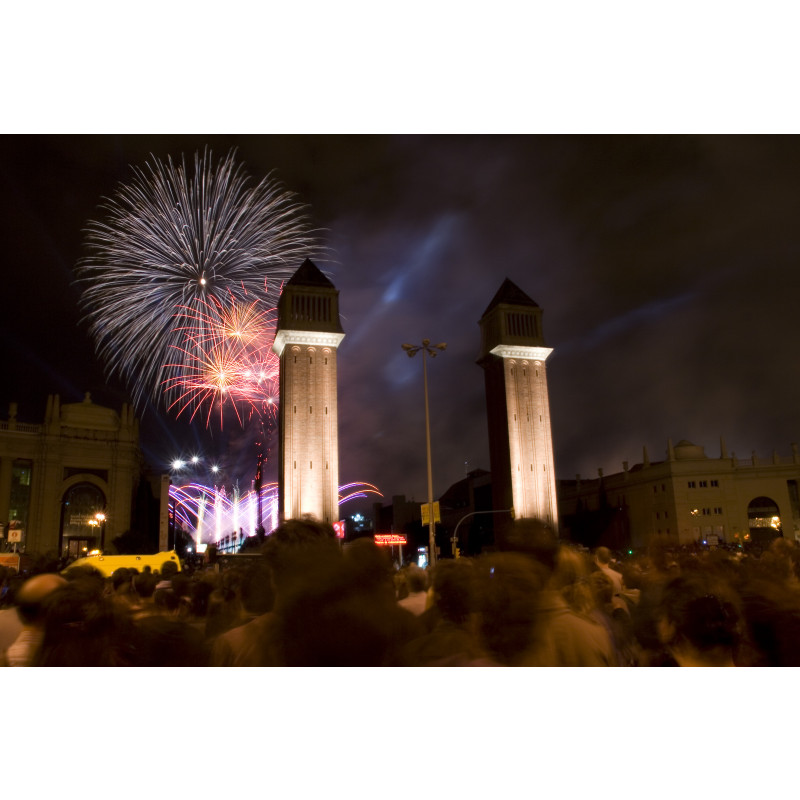
Barcelona bursts into life each September with the vibrant celebrations of La Mercè, an annual holiday deeply woven into the city's unique cultural tapestry. This distinctive festival is not merely a public holiday; it is a profound tribute to the Virgin Mary, revered as Our Lady of Mercy (Mare de Déu de la Mercè in Catalan), who stands as the esteemed patroness of Barcelona. While the devotion to Our Lady of Mercy stretches back centuries, the official civic celebration as we know it today, complete with a comprehensive governmental program of special activities, was formally established and has been celebrated annually on the 24th of September since 1871. This transformation from religious commemoration to a grand city-wide spectacle marks La Mercè as Barcelona's official annual festival, attracting millions with its diverse array of events, from traditional human towers (castells) to dazzling fire runs (correfocs) and world-class musical performances.
The Ancient Roots: The Mercedarian Order's Divine Commission
The origins of the veneration of Our Lady of Mercy, and consequently the festival, are rooted in a pivotal moment in the 13th century. It is believed that in 1218, the Virgin Mary appeared simultaneously to three significant figures: King James I of Aragon, a pivotal monarch in the Crown of Aragon's expansion; Saint Peter Nolasco, a Barcelona merchant who would become the order's founder; and Saint Raymond of Peñafort, a renowned Dominican canonist. Their divine encounter conveyed a singular, urgent plea: to establish a religious order dedicated to the arduous and perilous task of ransoming Christian captives from Moorish prisons across the Mediterranean basin and North Africa. This divine mandate led to the foundation of the Mercedarian Order (formally, the Order of the Blessed Virgin Mary of Mercy). Its members, known as Mercedarians, undertook vows of poverty, chastity, obedience, and a fourth, crucial vow: to offer themselves as hostages if necessary to free fellow Christians from slavery, embodying a profound commitment to liberation. Far from ceasing after its initial, daring missions, the Mercedarian Order continued to thrive, evolving into a global presence dedicated to education, charity, and social justice, carrying forward its foundational spirit of service and compassion even today.
A City in Crisis: The Miracle of 1687
Fast forward to the late 17th century, specifically the year 1687. Barcelona found itself in the throes of a devastating plague of locusts, an agricultural calamity that threatened widespread famine and economic collapse across the region. The city’s governing council, overwhelmed by their inability to quell the relentless swarm that consumed crops and livelihoods, turned in desperation to divine intervention. They collectively prayed for the Virgin Mary’s succor, beseeching her for deliverance from this ecological disaster. Miraculously, the plague receded shortly after these fervent prayers ceased. The grateful citizens and, notably, the Mercedarian Order, which had long championed the Virgin Mary's protective role, formally recognized her interposition as the miraculous agent behind the city’s relief from the epidemic. In profound gratitude and as an enduring act of devotion, the governing council resolved to establish an official feast day. This annual commemoration was instituted to perpetually honor the Virgin Mary for her perceived, decisive efforts in saving the city, solidifying her status as Barcelona’s patroness. While the city historically revered Saint Eulalia as its co-patroness, the profound events of 1687 ultimately led to La Mercè’s ascendancy in the city’s devotional calendar and her recognition as its primary protector.
Frequently Asked Questions About La Mercè
- What does La Mercè commemorate?
- La Mercè commemorates the Virgin Mary, specifically honored as Our Lady of Mercy (Mare de Déu de la Mercè), who is the revered patroness of Barcelona.
- When is La Mercè celebrated?
- The La Mercè festival is officially celebrated annually on September 24th, though the festivities typically extend over several days surrounding this date.
- What is the historical significance of the Mercedarian Order to La Mercè?
- The Mercedarian Order was founded in the 13th century after a believed appearance of the Virgin Mary, with the divine mission to free Christian captives from Moorish prisons. Their dedication to Our Lady of Mercy played a crucial role in establishing her veneration and eventual recognition as Barcelona's patroness.
- Why was the feast day for La Mercè officially established?
- The official feast day was established in 1687 after Barcelona's governing council prayed to the Virgin Mary for deliverance from a devastating locust plague, which miraculously receded. The city recognized this as a divine intervention, leading to the formal institution of the annual commemoration.