English
  español
  français
  português
  русский
  العربية
  简体中文
简体中文 
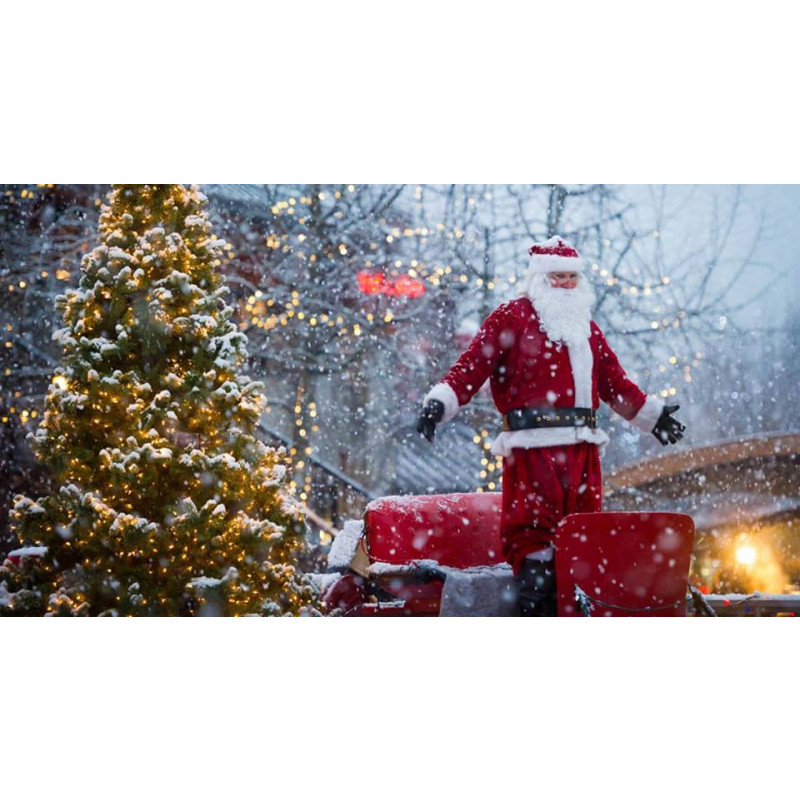
Christmas stands as a globally cherished annual festival, a time-honored observance commemorating the birth of Jesus Christ. This pivotal event, foundational to Christian theology, is celebrated with immense joy and spiritual reflection on December 25th by billions across the world, transcending continents and cultures. While the precise date of Jesus' birth is not recorded in biblical texts, December 25th was widely adopted by the Roman Church in the 4th century, possibly to coincide with existing pagan festivals like Saturnalia or the Roman feast of Sol Invictus, symbolizing the 'birth of the unconquered sun' during the winter solstice, a period of renewed light and hope.
The advent of Christmas is profoundly anticipated, marked by a preparatory season known in the Western Christian tradition as "Advent." This period, typically four Sundays preceding Christmas, is a time of spiritual reflection, prayer, fasting, and joyous expectation. Families often light Advent wreaths, with each candle representing a different aspect of the anticipation – hope, peace, joy, and love. In Eastern Orthodox Christianity, a similar period, "Nativity Fasting," is observed, usually beginning earlier on November 15th and characterized by stricter dietary restrictions, culminating in the Divine Liturgy on Christmas Day, which for some Orthodox churches adhering to the Julian calendar, falls on January 7th.
The Festive Span of Christmastide
Christmas Day does not merely conclude the festive period; rather, it beautifully initiates the "Christmastide" season, a prolonged celebration that extends the joy and spiritual significance of the Nativity. In Western traditions, Christmastide traditionally lasts for twelve days, famously immortalized as the "Twelve Days of Christmas," and culminates on the Twelfth Night, which is January 5th. This vibrant period bridges Christmas Day with the Feast of the Epiphany on January 6th, marking the arrival of the Magi (the Three Kings or Wise Men) to worship the infant Jesus, a moment symbolizing the revelation of Christ to the Gentile world. In some Christian traditions, Christmastide is further extended to include an octave, an eight-day period of continuous liturgical celebration following a major feast, emphasizing the profound importance of the Christmas miracle.
A Global Holiday: Religious and Cultural Significance
The universal appeal of Christmas is undeniable. Christmas Day holds the distinction of being a public holiday in an extensive number of nations worldwide, reflecting its global impact beyond purely religious observance. For the vast majority of Christians, it is a deeply religious occasion, a sacred time for spiritual renewal, church services, and contemplating the theological implications of the Incarnation. However, its reach extends far beyond religious congregations.
Many non-Christians also embrace Christmas culturally, participating in its rich tapestry of traditions. This widespread adoption has solidified Christmas as an integral and central component of a broader holiday season, which often encompasses New Year's Eve and New Year's Day. The cultural celebrations are diverse and vibrant, encompassing practices such as:
- Gift-giving: A tradition often linked to the gifts brought by the Magi, or to figures like Saint Nicholas (Sinterklaas), who evolved into the modern Santa Claus, bringing presents to children.
- Decorating homes and public spaces: Adorning environments with festive lights, evergreen trees (Christmas trees), wreaths, and ornaments, symbolizing life, light, and hope during the darkest time of the year.
- Family gatherings and feasting: Sharing special meals and quality time with loved ones, fostering a sense of community and warmth.
- Caroling and festive music: Filling the air with joyous songs that narrate the Christmas story or simply evoke holiday cheer.
- Acts of charity and goodwill: A reflection of the season's spirit of generosity and compassion towards others.
These shared customs contribute to a sense of universal festivity, making Christmas a powerful unifying force that transcends religious boundaries, fostering goodwill, compassion, and shared moments of celebration globally.
Frequently Asked Questions About Christmas
- What is Christmas primarily?
- Christmas is an annual festival commemorating the birth of Jesus Christ, celebrated globally on December 25th by Christians and culturally by many non-Christians.
- What precedes the Christmas festival?
- In Western Christian traditions, Christmas is preceded by the season of Advent. In Eastern Orthodox traditions, it is preceded by Nativity Fasting.
- How long does Christmastide last?
- In Western traditions, Christmastide lasts for twelve days, culminating on the Twelfth Night (January 5th) and leading to Epiphany (January 6th). Some traditions extend it with an octave.
- Is Christmas a public holiday everywhere?
- Christmas Day is a public holiday in many nations around the world, recognizing its significant cultural and religious impact.
- Why is Christmas celebrated on December 25th?
- While the Bible does not specify Jesus' birth date, December 25th was chosen by the early Church, possibly to align with existing pagan winter solstice festivals, symbolizing new light and life.