A practical guide to how the UN and partner bodies proclaim International Years and Decades, why they exist, and how they connect with annual holidays, awareness days, and “On This Day” milestones. Learn clear methods to track start and end dates, handle mid‑year launches, and set checkpoints and countdowns in your calendars.
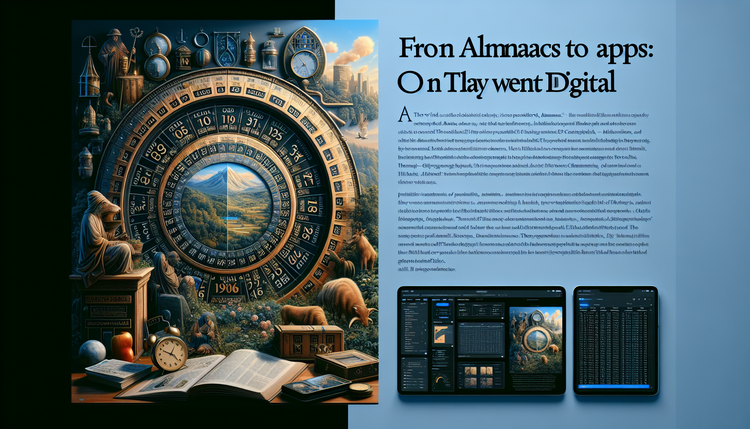
Trace how 'On This Day' evolved from medieval almanacs and newspaper sidebars to modern databases and APIs. Learn how sourcing, time zones, and calendar conversions shape which events appear on a given date, and see practical ways to use CalendarZ tools—like countdowns and the Hijri–Gregorian converter—to explore the same day across calendars.
A traveler- and event-planner-friendly guide to how Sunday trading limits, ‘dry’ election or memorial days, and mandated quiet or moments of silence shape when you can shop, buy alcohol, or make noise—plus what shifts when observances fall on weekends.
A global, side-by-side look at Constitution Days: what moment countries choose to honor (drafting, signing, ratification, promulgation), how they celebrate (from school lessons to parades), and which observances are full public holidays versus working commemorations. Includes standout examples and a quick calendar of upcoming Constitution Day dates around the world.
Explore how cities and organizers schedule official rain dates and backup windows for fireworks, parades, and festivals, how these appear on calendars, and what they mean for countdowns and observance tracking worldwide.
Explore how cities and organizers build weather contingencies into public celebrations—from fireworks and parades to festivals—using official rain dates and backup windows. Learn how these plans are shown on calendars, how countdowns adapt, and what backup days mean for observance tracking around the world.
Why do so many records show January 1, July 1, or December 31 as a date of birth? This article explains how governments, schools, and platforms use placeholder birthdays when the real date is unknown, the regional patterns behind them, and how these choices affect age calculations, eligibility timelines, and even "On This Day" lists.
Explore how different regions write dates—DD/MM/YYYY, MM/DD/YYYY, and YYYY-MM-DD—why 03/07 can mean March 7 or July 3, and how this ambiguity affects holiday listings, “On This Day” entries, and birthday records. Learn pragmatic best practices, from ISO 8601 and month names to locale-aware inputs, to keep countdowns and cross-border plans on track.
A practical, upbeat guide to finding and celebrating personal micro-milestones like your 10,000th day alive, 1,000th week, 100,000th hour, or one-billionth second. Learn how to pinpoint these dates with CalendarZ’s Age Calculator, set countdowns, scan upcoming lists, and pair your milestone with On This Day highlights for a celebration with historical flair.
A clear look at why nations choose a specific Census Day (or Census Night), how that single reference date prevents double-counting and seasonal bias, and where it appears on calendars and public campaigns. Includes global examples and memorable historical Census Days that fit perfectly into "On This Day" features.
Trace the surprising origins of weekday names across cultures. From Norse and Roman gods (Thursday/Jeudi) to planetary cycles and numbered systems like Portuguese and Hebrew, see how these roots shape calendars, translations, and even how events are shown in multilingual “On This Day” listings.
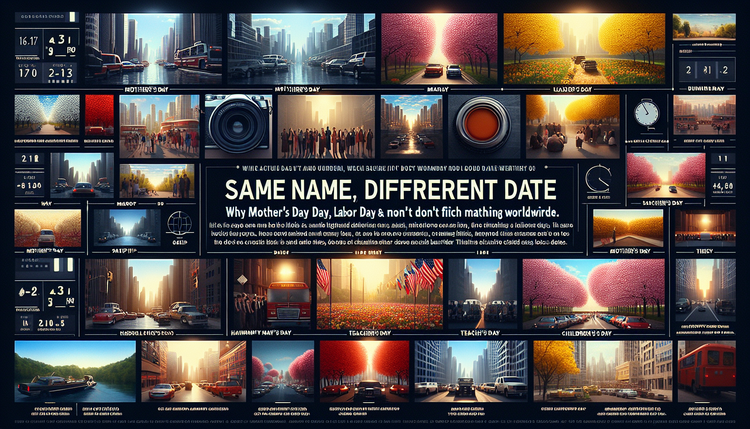
Holidays with the same name often fall on different days depending on the country. This guide explains the histories and date rules behind Mother's Day, Labor Day/May Day, Teacher's Day, and Children's Day, with practical tips to plan across borders and quickly find the correct local date.

 English
  español
  français
  português
  русский
  العربية
  简体中文
简体中文